Dark Sky Tourism: A Complete Guide to the World's Best Stargazing Destinations
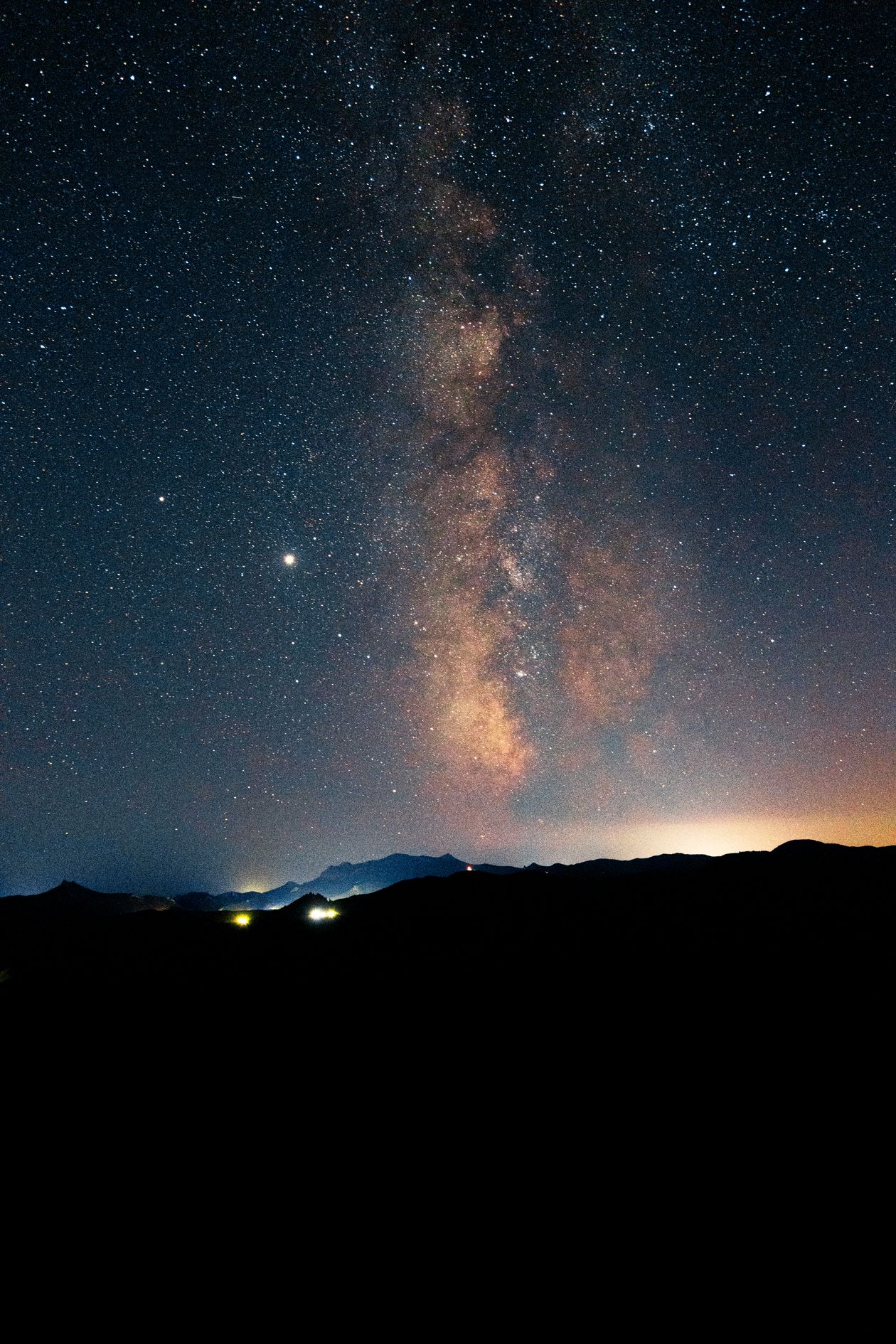
Look up from any city street and you'll see maybe a dozen stars. Look up from a Dark Sky Reserve and you'll see thousands — plus the dusty ribbon of the Milky Way, planets in sharp focus, and occasionally a meteor streaking across a sky so dark it feels infinite.
Dark sky tourism has exploded over the last few years, driven by a simple realization: the night sky is disappearing for most of the world's population, and people will travel extraordinary distances to see it properly.
This guide covers 8 destinations where the stars are the main attraction, with everything you need to plan a stargazing trip — from the best times to visit for celestial events to what beginners need for astrophotography.
What Is a Dark Sky Destination?
The International Dark-Sky Association (IDA), now the International Dark Sky Places program, certifies locations that meet strict light pollution standards. These certifications — Dark Sky Park, Dark Sky Reserve, Dark Sky Community — are your guarantee that the night sky at that location meets specific quality criteria.
There are currently over 200 certified International Dark Sky Places worldwide, and new ones are being added at record pace. The certification process takes years and requires ongoing commitment from local communities to reduce light pollution.
Why it matters: 80% of North Americans and Europeans can no longer see the Milky Way from where they live. Dark sky destinations aren't just beautiful — they're preserving one of humanity's oldest connections to the cosmos.
1. Aoraki Mackenzie, New Zealand
Certification: International Dark Sky Reserve (Gold Tier)
Best time to visit: March–September (longer, darker nights)
Standalone trip OR add-on to: South Island itinerary
New Zealand's South Island is home to the world's largest Gold Tier Dark Sky Reserve — 4,300 square kilometers of near-zero light pollution centered on Aoraki/Mount Cook National Park.
At Lake Tekapo, part of the reserve, you can see the Southern Hemisphere's clearest views of the Milky Way, the Magellanic Clouds, and the Zodiacal Light. The Mount John Observatory offers guided stargazing tours with research-grade telescopes. Several companies run hot-pool-under-the-stars experiences at Tekapo Springs.
Celestial events to plan around:
The April 2026 total solar eclipse won't be visible here, but the annual Lyrid meteor shower (April) and Eta Aquarids (May) offer excellent displays. The Southern Hemisphere winter (June–August) provides the longest, darkest viewing windows.
What to bring:
Warm layers (even summer nights drop below 10°C at altitude), red-light flashlight (white light ruins dark adaptation), binoculars, and a star chart app set to Southern Hemisphere mode.
Getting there:
Fly to Christchurch, drive 3.5 hours to Lake Tekapo. A rental car is essential — organized tours exist but limit your flexibility for late-night sessions.
2. NamibRand Nature Reserve, Namibia
Certification: International Dark Sky Reserve (Gold Tier)
Best time to visit: May–October (dry season, exceptionally clear skies)
Standalone trip OR add-on to: Namibia fly-drive safari
Southern Africa's first Gold Tier Dark Sky Reserve sits in one of the most sparsely populated regions on Earth. The Namib Desert's combination of high altitude, dry air, and near-zero artificial light creates conditions that astrophotographers dream about.
The reserve is within the Namib-Naukluft Park, meaning your stargazing trip pairs naturally with desert-adapted wildlife viewing — oryx, springbok, and the surreal dune landscapes at Sossusvlei. Several lodges within the reserve offer dedicated astronomy experiences, including guided sky tours and telescope access.
Celestial events to plan around:
The Milky Way core is visible from April through October, peaking in June–August. The Southern Taurid meteor shower (September–October) produces bright fireballs ideal for desert viewing.
What to bring:
A camera with manual settings at minimum. For serious astrophotography, a DSLR/mirrorless body with a wide, fast lens (14–24mm, f/2.8 or faster) and a sturdy tripod. Warm layers — desert nights can drop to near freezing.
Getting there:
Fly to Windhoek, then drive 5–6 hours south to the reserve (or arrange a light aircraft transfer). Self-driving requires a 4x4 on gravel roads.
3. Brecon Beacons, Wales
Certification: International Dark Sky Reserve
Best time to visit: October–March (longer nights, better transparency)
Standalone trip OR add-on to: UK road trip or Wales itinerary
The Brecon Beacons earned Dark Sky Reserve status in 2013, making it one of the world's first — and it remains one of the most accessible. Just an hour's drive from Cardiff, you can go from the capital's glow to some of the darkest skies in Western Europe.
The Usk Reservoir and Crai are the darkest spots within the park. The Brecon Beacons Observatory at the Libanus Mountain Centre hosts regular stargazing events. Several campsites within the park cater specifically to stargazers with red-light policies and telescope-friendly layouts.
Celestial events to plan around:
The Geminid meteor shower (December) and the Quadrantids (January) are highlights under Brecon's dark skies. The partial solar eclipse visible from Wales in August is also worth planning around.
What to bring:
Waterproof everything (Welsh weather is unpredictable), warm layers, binoculars (8x42 or 10x50 are ideal for beginners), and a Thermos of hot tea.
Getting there:
Drive from Cardiff (1 hour), Swansea (45 minutes), or London (3 hours). No public transport within the park — a car is essential.
4. Death Valley National Park, USA
Certification: International Dark Sky Park (Gold Tier)
Best time to visit: November–March (cooler temperatures, longer nights)
Standalone trip OR add-on to: American Southwest road trip
The hottest place on Earth has some of its darkest skies. Death Valley's Gold Tier certification means virtually zero light pollution across 3.4 million acres of desert basin and mountain range.
Mesquite Flat Sand Dunes, Badwater Basin, and the Racetrack are all exceptional stargazing locations within the park. The Harmony Borax Works site offers the easiest access for casual observers. Rangers lead astronomy programs from November through April.
Celestial events to plan around:
The Geminids (December) and Perseids (August) are spectacular here, though summer stargazing is physically punishing. The Lyrids (April) coincide with Death Valley's brief wildflower season.
What to bring:
More water than you think you need (even in winter), layered clothing (40°F temperature swings between day and night are normal), a star map app that works offline (cell service is virtually nonexistent), and a full tank of gas.
Getting there:
Fly to Las Vegas or Los Angeles. Death Valley is roughly 2 hours from Las Vegas by car. A high-clearance vehicle is recommended for some sites; others are accessible by sedan.
5. Aizu Region, Japan
Certification: International Dark Sky Park
Best time to visit: October–March (dry, clear winter skies)
Standalone trip OR add-on to: Japan cultural itinerary
One of Japan's newest Dark Sky Parks, the Aizu region in Fukushima Prefecture offers a stargazing experience unlike anywhere else on this list — the combination of pristine dark skies with traditional Japanese rural landscape creates an atmosphere that's uniquely moving.
The area around Aizu-Wakamatsu and the Kitakata region maintains strict lighting ordinances to preserve their Dark Sky status. Local inns (ryokan) have begun offering dedicated stargazing experiences, including rooftop viewing platforms and astronomy-themed kaiseki dinners.
Celestial events to plan around:
The Geminids (December) and Quadrantids (January) are the highlight events. The Orion Nebula is spectacular from Aizu during winter months.
What to bring:
Warm clothing (Japanese winters are cold, and you'll be standing still outdoors), a star chart app, and binoculars. Many ryokan provide yukata and zabuton cushions for outdoor viewing.
Getting there:
Shinkansen (bullet train) from Tokyo to Koriyama (80 minutes), then local train to Aizu-Wakamatsu (70 minutes). A rental car helps access the darkest sites.
6. Kerry International Dark Sky Reserve, Ireland
Certification: International Dark Sky Reserve (Gold Tier)
Best time to visit: September–March (longer, darker nights)
Standalone trip OR add-on to: Wild Atlantic Way road trip
Ireland's only Gold Tier Dark Sky Reserve sits on the Iveragh Peninsula along the famous Ring of Kerry — meaning you can combine stargazing with one of the world's great coastal drives.
The reserve encompasses 700 square kilometers of near-pristine sky, with viewing points at St. Finian's Bay, Coomanaspig Pass, and the Kerry Dark Sky Centre in Cahersiveen. The centre runs regular astronomy events and telescope sessions.
Celestial events to plan around:
The Orionid meteor shower (October) is a reliable performer under Kerry's skies. The winter Milky Way (visible November through February) is breathtaking over the Atlantic.
What to bring:
Full rain gear (always), warm layers, binoculars, a flask, and wellington boots for boggy terrain at some viewing sites.
Getting there:
Drive from Killarney (50 minutes) or Cork (2 hours). The Ring of Kerry is a 179-km loop that passes directly through the reserve.
7. Mont-Mégantic, Quebec, Canada
Certification: International Dark Sky Reserve
Best time to visit: September–April (longer nights, excellent transparency)
Standalone trip OR add-on to: Quebec or eastern Canada itinerary
North America's first International Dark Sky Reserve centers on Mont-Mégantic Observatory — a working research facility that opens its 1.6-meter telescope to the public on select evenings. The surrounding region has implemented some of the world's most progressive lighting ordinances.
The ASTROLab at Mont-Mégantic National Park offers guided astronomy activities, telescope workshops, and night-sky observation sessions. The park's summit observation deck at 1,105 meters provides unobstructed 360-degree views.
Celestial events to plan around:
The Perseids (August) are the marquee event, with the mountain's altitude reducing atmospheric interference. Fall foliage season (late September) creates stunning twilight combinations of autumn colors and early stars.
What to bring:
Serious winter gear (temperatures regularly reach -20°C in January), hand warmers for your tripod, and a headlamp with red mode.
Getting there:
Drive from Montreal (2 hours) or Quebec City (2.5 hours). Car rental is necessary — no public transport serves the park.
8. Exmoor National Park, England
Certification: International Dark Sky Reserve (Europe's first)
Best time to visit: October–March
Standalone trip OR add-on to: Southwest England itinerary or weekend from London
Exmoor was Europe's first International Dark Sky Reserve, designated in 2011, and it remains one of the best places in England to see the Milky Way with the naked eye. The combination of low light pollution, rolling moorland, and dramatic coastal cliffs creates a stargazing experience that feels far more remote than a 4-hour drive from London suggests.
Holdstone Hill, County Gate, and Wimbleball Lake are the primary dark sky discovery sites. The National Park runs monthly stargazing events from October through March, with telescopes and expert guides available.
Celestial events to plan around:
The Geminids (December) are particularly impressive from Exmoor's elevated moorland. The winter Milky Way stretches directly overhead during peak darkness.
What to bring:
Warm, windproof layers (moorland exposure is real), a flask, a red-light head torch, and a plan for parking — some sites require a short walk from lay-bys.
Getting there:
Drive from London (3.5–4 hours), Bristol (1.5 hours), or Exeter (1 hour). No train access to the best sites — driving is essential.
Astrophotography for Beginners
You don't need expensive equipment to capture stunning night sky images. Here's what beginners actually need:
Essential Kit
- Camera: Any mirrorless or DSLR with manual mode
- Lens: Wide-angle (14–24mm) with f/2.8 aperture or faster
- Tripod: Sturdy is more important than light — cheap, wobbly tripods will ruin long exposures
- Intervalometer or remote shutter: To avoid camera shake during long exposures
Basic Settings
- Shoot in RAW
- ISO 1600–3200 (higher on newer cameras)
- f/2.8 or as wide as your lens allows
- 15–25 second exposures (longer = star trails, not pinpoint stars)
- Manual focus set to infinity, then fine-tune using live view on a bright star
Tips That Actually Help
- Arrive before sunset to set up and compose while you can still see
- Use a red-light headlamp to preserve night vision while adjusting settings
- Shoot during new moon for darkest skies, or during crescent moon for landscape illumination
- Take multiple exposures and stack them in post-processing to reduce noise
Planning Your Stargazing Trip: A Checklist
- [ ] Check moon phases — new moon is ideal; full moon washes out the sky
- [ ] Check weather forecasts — cloud cover is the enemy
- [ ] Book accommodations early — Dark Sky destinations have limited lodging
- [ ] Rent a car — public transit doesn't reach the darkest sites
- [ ] Pack layers — clear skies mean no cloud insulation; temperatures drop fast
- [ ] Download offline maps — cell service is often absent at the best sites
- [ ] Join a guided tour for your first visit — local astronomers know the best spots and times
- [ ] Practice with your equipment at home before traveling
The Dark Sky Tourism Booking Window
Dark sky destinations are seeing record demand. Book accommodations and guided experiences 3–6 months ahead, especially for meteor shower weekends and eclipse events. The best lodges near Dark Sky Reserves often have fewer than 10 rooms — they fill up.
If you're planning around a specific celestial event (particularly the April 2026 total solar eclipse visible across Europe), start your planning now. Accommodation near prime viewing locations is already booking out.
Which dark sky destination calls to you? Share your stargazing stories in the comments below!
## Related Guides