The European Train Renaissance: New Routes, Night Trains, and Why Rail Is the Hottest Way to Travel in 2026
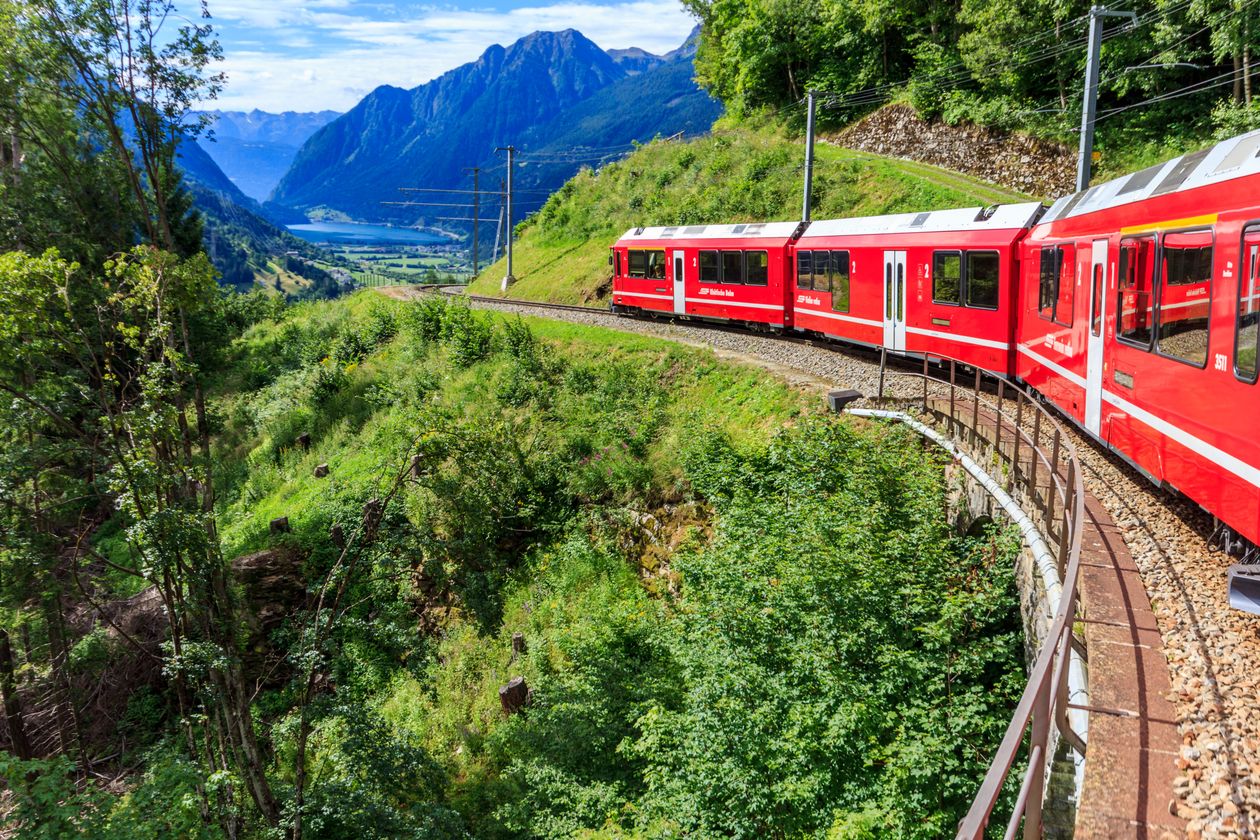
There's a quiet revolution happening on Europe's railways — and it's anything but slow. After decades of decline, night trains are roaring back, new cross-border routes are connecting cities that haven't had direct rail links in generations, and a new generation of travelers is choosing the platform over the terminal.
Welcome to the European Train Renaissance of 2026. Here's everything you need to know.
Why Trains? Why Now?
The revival of European rail isn't happening by accident. Three powerful forces are driving it:
1. The Climate Imperative
The EU's Green Deal has set ambitious targets to shift passengers from air to rail. New regulations require member states to invest in cross-border rail connections, and several countries have banned short-haul domestic flights where train alternatives exist (France led the way in 2023; others have followed).
2. The Experience Economy
Travelers — particularly Millennials and Gen Z — increasingly value the journey as much as the destination. Train travel offers scenic views, productive work time, social spaces, and none of the airport security theater. One recent survey found that 68% of travelers under 35 actively prefer train travel for trips under 6 hours.
3. The Infrastructure Investment
Billions of euros have been poured into European rail upgrades. New high-speed lines, refurbished night train carriages, and modernized station facilities mean the train experience in 2026 is fundamentally different from even five years ago.
The New and Notable Routes You Should Know About
Night Trains: The Romance Returns
The night train network has been the marquee story of the renaissance. Here are the routes making headlines in 2026:
| Route | Operator | Frequency | Approximate Duration |
|---|---|---|---|
| Vienna – Paris | ÖBB Nightjet | Daily | ~11 hours |
| Berlin – Brussels | ÖBB Nightjet | Daily | ~10 hours |
| Berlin – Paris | ÖBB Nightjet | Daily | ~12 hours |
| Stockholm – Hamburg | SJ | Daily | ~10 hours |
| Zurich – Rome | ÖBB Nightjet | Daily | ~10 hours |
| Amsterdam – Munich | NS/ÖBB | Daily | ~10 hours |
ÖBB (Austrian Railways) has been the trailblazer, investing heavily in new Nightjet carriages with comfortable couchettes, sleeper cabins, and even bike spaces. The booking experience has been modernized too — you can now reserve specific beds, choose women-only compartments, and manage everything through the Nightjet app.
High-Speed Highlights
- Barcelona – Marseille: New direct TGV service cuts the journey to under 5 hours
- Milan – Paris: Upgraded Frecciarossa service with faster journey times
- Amsterdam – Berlin: New ICE service with journey times under 6 hours
- Lisbon – Madrid: Upgraded Alfa Pendular service with improved frequencies
Scenic Routes Worth the Extra Time
Not every great train journey is about speed. Some routes are destinations in themselves:
- The Glacier Express (Switzerland): Still the king of scenic rail — 8 hours through the Swiss Alps
- The Flåm Railway (Norway): 20 kilometers of engineering marvel through fjord country
- The West Highland Line (Scotland): From Glasgow to Mallaig via Glenfinnan Viaduct (yes, the Harry Potter bridge)
- The Bernina Express (Switzerland–Italy): UNESCO-listed route from Chur to Tirano
Train vs. Plane: The Honest Comparison
Let's be real — trains aren't always faster or cheaper. But the comparison is more nuanced than you might think:
| Factor | Train | Plane |
|---|---|---|
| City center to city center time | Often faster for routes under 4 hours | Airport transit adds 2-3 hours |
| CO₂ emissions | ~90% lower per passenger-km | Significantly higher |
| Productivity | Work, read, or socialize the entire journey | Limited productive time |
| Scenery | Stunning | Clouds |
| Luggage | No restrictions, no fees | Size limits, baggage fees |
| Flexibility | Easy to hop on next train | Rigid schedules, change fees |
| Price | Competitive with advance booking | Budget airlines still cheaper on some routes |
Bottom line: For any journey under 6 hours, the train almost always wins. For longer routes, night trains save you a hotel night, making the total cost competitive.
How to Plan a Multi-Country Rail Adventure
Step 1: Choose Your Pass
Eurail Pass remains the gold standard for multi-country travel. In 2026, options include:
- Global Pass: Valid in 33 countries, from 4 days up to 3 months of travel
- One Country Pass: Deep dives into a single nation
- Premium Pass: Includes reservations on high-speed trains
Pro tip: Book your Eurail pass at least 2 months ahead for the best prices. Pass prices increase as departure dates approach.
Step 2: Map Your Route
Start with the cities you most want to visit, then connect them by rail. Popular rail loops for 2026 include:
- The Nordic Loop: Copenhagen – Stockholm – Oslo – Bergen – Flåm – Oslo – Copenhagen
- The Central European Circuit: Berlin – Prague – Vienna – Budapest – Vienna – Munich – Berlin
- The Mediterranean Crescent: Barcelona – Marseille – Nice – Milan – Rome – Florence – Venice
- The British-Continental Combo: London – Paris – Brussels – Amsterdam – Berlin
Step 3: Book Reservations
Many high-speed and night trains require seat reservations, even with a Eurail pass. Reserve these as early as possible — night trains in particular can sell out weeks ahead during summer.
Step 4: Pack Smart
Train travel calls for different packing than flying:
- A soft-sided suitcase that fits in overhead racks
- Packing cubes for easy access during overnight journeys
- A small daypack for your camera, snacks, and entertainment
- A universal power adapter (European trains use various plug types)
- Noise-canceling headphones for peaceful journeys
Step 5: Make the Most of the Journey
- Download your train operator's app for real-time updates
- Reserve dining car seats for scenic stretches
- Chat with fellow travelers in bar cars — some of the best travel stories start here
- Keep a window seat for mountain routes
- Use offline maps to follow your route and identify landmarks
Budget Tips for European Train Travel
European rail doesn't have to break the bank:
- Book early: Advance fares on high-speed trains can be up to 50% cheaper than last-minute purchases
- Travel off-peak: Midweek and off-season trains are significantly less crowded and cheaper
- Use regional trains: Slower but often free with your Eurail pass and no reservation required
- Split long journeys: Breaking a route into segments can sometimes unlock cheaper fare combinations
- Consider night trains: You save on accommodation while covering distance — a double win
- The Night Train Revival: Europe's Most Romantic Sleeper Routes in 2026
- Europe by Train on a Budget — The 2026 Guide to Cheap Rail Passes and Routes
The Bottom Line
The European Train Renaissance isn't just about nostalgia for the golden age of rail — though there's plenty of that. It's about a better way to travel. One that's more sustainable, more scenic, more social, and increasingly more convenient.
Whether you're planning a grand multi-country rail adventure or just swapping one short-haul flight for a train, 2026 is the best year in decades to embrace European rail travel. The tracks are waiting.
Ready to plan your rail journey? Explore our complete guide to European travel planning and start mapping your route.