Slow Travel Revolution: Why Staying Longer and Exploring Deeper Is the Ultimate 2026 Travel Hack
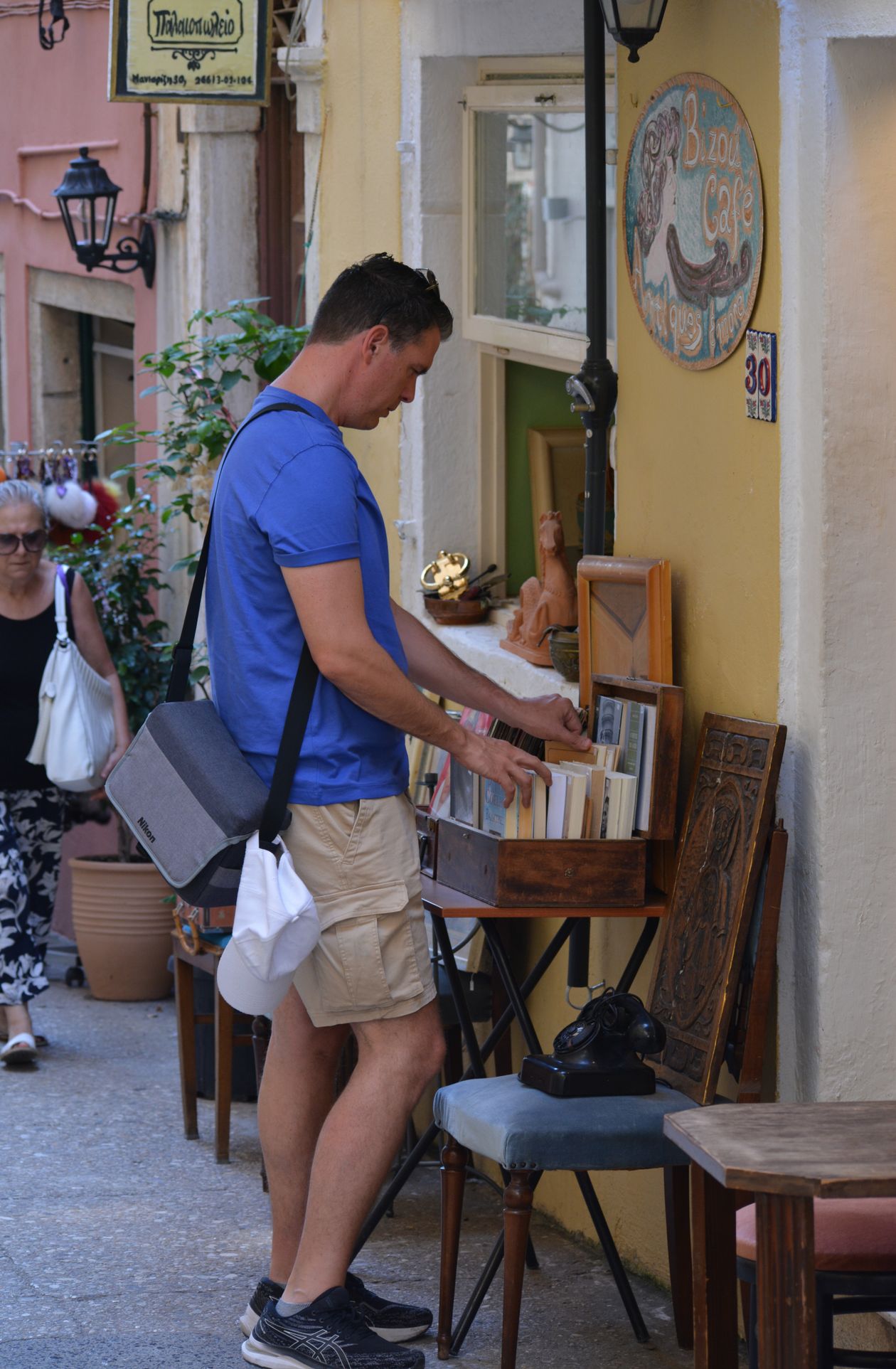
Somewhere between the 14-country Eurotrip and the 48-hour city blitz, we lost something important. We collected passport stamps but missed the stories. We photographed landmarks but never learned the names of the people who lived in their shadows.
Slow travel is the antidote — and in 2026, it's not just a philosophy. It's a practical, achievable way to travel that more people are embracing than ever before.
What Is Slow Travel (Really)?
Slow travel isn't just about staying longer — though that's part of it. It's a mindset shift that prioritizes depth over breadth, connection over collection, and presence over pace.
The core principles:
- Stay longer: Instead of 3 nights, stay 3 weeks. Instead of 3 cities, choose 1 neighborhood.
- Live locally: Shop at neighborhood markets, cook in your apartment, learn a few phrases in the local language.
- Follow curiosity: Let serendipity guide your days instead of a rigid itinerary.
- Travel sustainably: Fewer flights, less transport, more walking and cycling — better for the planet and your wallet.
- Connect deeply: Build real relationships with locals and fellow travelers.
Why 2026 Is the Year of Slow Travel
Several converging trends have made slow travel not just appealing, but genuinely practical:
Remote Work Is the Norm
The pandemic permanently normalized remote work, and in 2026, most knowledge workers have at least some location flexibility. This means you can work from Lisbon for a month without using up vacation days — you're just changing your office view.
Digital Nomad Visas Have Matured
More than 50 countries now offer some form of digital nomad or long-stay visa. The application processes have streamlined significantly since the early programs launched, and the requirements are reasonable for most remote workers:
- Portugal D8 Visa: Valid for 1 year, renewable, minimum income around €3,280/month
- Spain Digital Nomad Visa: Up to 5 years for non-EU citizens
- Greece Digital Nomad Visa: 12 months, renewable, minimum income €3,500/month
- Croatia Digital Nomad Visa: 12 months, tax-free, minimum income around €2,539/month
- Estonia e-Residency + Nomad Visa: Pioneer program, very streamlined
Short-Term Rentals Make It Easy
Platforms like Airbnb, and increasingly local alternatives, offer monthly discounts that make extended stays affordable. A studio in Lisbon that costs $100/night drops to $60/night for a 30-day stay. A one-bedroom in Chiang Mai might cost $500/month total.
Travelers Are Craving Real Connection
After years of Instagram-perfect but emotionally hollow travel, there's a genuine hunger for meaningful experiences. Slow travel delivers this by default — when you stay somewhere long enough, you stop being a tourist and start being a temporary local.
Best Destinations for Slow Travel in 2026
Europe
Lisbon, Portugal Lisbon remains the slow travel capital of Europe. Affordable rent, excellent coworking spaces, mild weather year-round, and a creative expat community that actively welcomes newcomers. Neighborhoods like Arroios and Alcântara offer authentic local life away from tourist zones.
Tbilisi, Georgia An extraordinary slow travel bargain. Gorgeous architecture, incredible food culture, legendary hospitality, and some of the lowest costs in Europe. Georgia's one-year remote work visa is among the most generous available, and the wine culture alone is worth an extended stay.
Porto, Portugal Smaller and mellower than Lisbon, Porto offers the same Portuguese warmth with a more intimate feel. The Ribeira district is perfect for slow mornings with coffee and river views.
Asia
Chiang Mai, Thailand The OG digital nomad hub still delivers. Incredible food for $2–3/meal, reliable internet, a walkable old city, and a well-established expat infrastructure. Month-long stays in comfortable apartments start at $400–600.
Ubud, Bali, Indonesia Prefer jungles and yoga? Ubud's slow travel scene is thriving. Coworking cafes nestled in rice terraces, a wellness community second to none, and a deeply spiritual culture that rewards extended engagement.
Da Nang, Vietnam Vietnam's rising star offers beach living, excellent food, low costs, and a growing nomad community. It's less saturated than Ho Chi Minh City and more livable than Hanoi.
Latin America
Medellín, Colombia The City of Eternal Spring has become a slow travel hotspot. Perfect weather year-round, fast internet, affordable living, and a vibrant culture scene. Neighborhoods like El Poblado and Laureles cater to remote workers.
Oaxaca, Mexico For food-focused slow travel, nowhere beats Oaxaca. Weeks melt into markets, cooking classes, mezcal tastings, and day trips to ancient Zapotec ruins. Mexico's temporary resident visa makes stays of up to 4 years straightforward.
Buenos Aires, Argentina With the favorable exchange rate and Argentina's digital nomad visa, Buenos Aires offers European-style living at a fraction of the cost. Tango lessons, world-class steaks, and café culture that demands you linger.
How to Plan a Meaningful Slow Travel Trip
1. Choose One Base (Or Two, Maximum)
The biggest slow travel mistake? Trying to slow travel across too many places. Pick one city or region and commit. You can always take weekend trips from your base — that's the beauty of it.
2. Budget Realistically
Slow travel can be cheaper per day than vacation travel, but you need to budget differently:
- Accommodation: Negotiate monthly rates directly with hosts. Aim for 40–60% off the nightly rate.
- Food: Cook most meals at home using local market ingredients. This is both cheaper and more immersive.
- Transportation: Minimal — walking, cycling, and occasional local transit.
- Coworking: Budget $100–200/month for a dedicated workspace if you're working remotely.
- Activities: One paid activity per week, plus free exploration.
A realistic slow travel budget in a mid-cost destination: $1,500–$2,500/month including accommodation, food, and activities.
3. Pack Like You Live There
- Versatile clothing that mixes and matches
- A good laptop and noise-canceling headphones
- A reusable water bottle and coffee thermos
- A small first-aid kit
- Universal power adapter
- A journal — slow travel creates stories worth recording
4. Establish a Routine (Then Break It)
The magic of slow travel lies in having a base routine that creates stability, then allowing spontaneous deviations. Try:
- Morning: Work/exercise at your usual café
- Afternoon: Explore a new neighborhood, take a local class, or visit a market
- Evening: Cook dinner with local ingredients, or eat where the locals eat
- Weekend: Take day trips to nearby towns or natural areas
5. Connect with Local Communities
- Join local Facebook groups for expats and nomads
- Attend language exchange meetups (they exist in every major city)
- Take a local cooking class
- Volunteer for a community project
- Become a regular at a neighborhood café or market stall
The Case Against Rushing
Let's do the math. A typical "highlights" trip gives you maybe 2–3 meaningful hours per city per day after accounting for transit, check-in, orientation, and departure logistics. In a 14-city, 21-day trip, that's roughly 40 hours of actual experience across 14 destinations.
A slow traveler who stays in one city for those same 21 days gets 60+ hours of deep experience in one place — plus mornings at neighborhood bakeries, conversations with shopkeepers, and the kind of serendipitous discoveries that only happen when you stop rushing.
Slow travel isn't about doing less. It's about experiencing more.
Ready to slow down? Check out our resources for remote workers and long-term travelers and plan your extended escape.
## Related Guides