10 Second Cities That Outshine the World's Most Overtouristed Capitals
Barcelona is paying tourists to leave. Venice has installed entrance gates. Santorini caps cruise ship arrivals. The message is clear: the world's most popular destinations have had enough — and honestly, so have travelers.
Overtourism isn't just a local problem anymore. It's your problem. It means two-hour museum lines, €15 coffees near landmark squares, and the sinking feeling that you're sharing your "dream destination" with the entire population of a small country.
But here's the secret the savviest travelers already know: the second city often beats the capital. Smaller crowds, bigger authenticity, lower prices, and the thrill of genuine discovery. These 10 alternatives deliver everything you're looking for — without the tourist trap hangover.
What Is a Second City?
A second city is a country's runner-up — the city that doesn't make the cover of every guidebook but packs every bit as much cultural punch. Think of it as the deep cut on your favorite band's album: the one the real fans know by heart.
Second cities tend to have younger, more creative energy. They're where locals actually go out on weekends. They're where a €5 lunch buys you something memorable instead of something microwaved near a cathedral.
1. Valencia Instead of Barcelona
Spain's third-largest city has everything Barcelona promises and more — without the pickpocketing hotspots and crowds so thick you can't photograph Sagrada Família without 400 strangers in the frame.
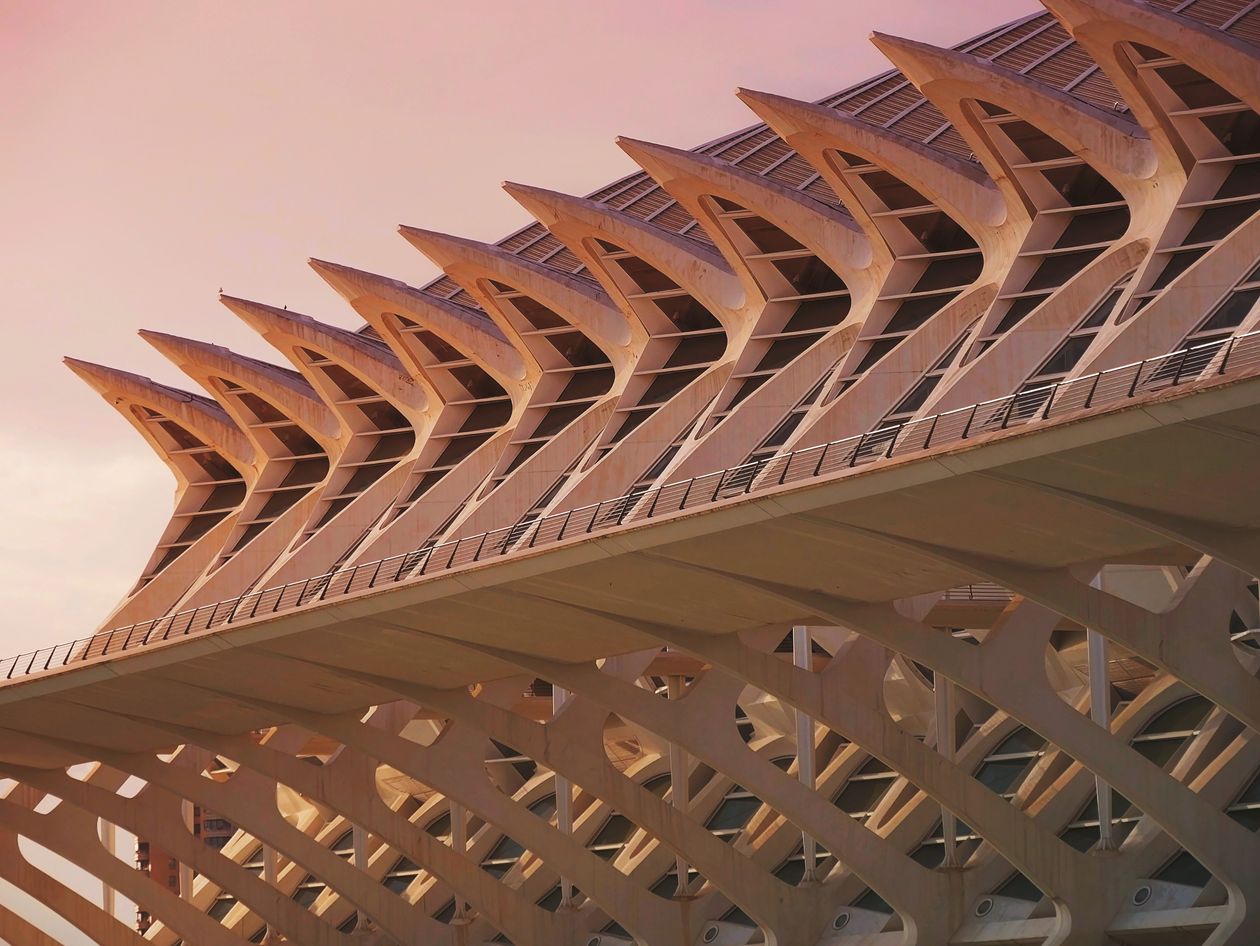
Valencia birthed paella (yes, genuinely — it's the dish's hometown). The City of Arts and Sciences is among the most photographed architecture on the planet. The old town's winding streets open onto unexpected plazas where locals actually linger over tapas.
Budget comparison: A central hotel in Valencia runs 40–60% less than an equivalent in Barcelona. A three-course menú del día still costs under €14 in most neighborhoods. Museum entries are routinely under €5.
How to get there: Direct flights from most European hubs, or a high-speed AVE train from Madrid in under 90 minutes. From Barcelona, the high-speed train takes roughly 3 hours — making it an easy swap or add-on.
2. Lille Instead of Paris
Just 80 minutes from Paris by high-speed train, Lille feels like a secret the French have been keeping to themselves. This Flemish-influenced city combines French sophistication with Belgian coziness — think brick townhouses, waffle shops, and some of the best beer in France.
The Palais des Beaux-Arts houses one of France's finest art collections outside Paris. The Vieux Lille neighborhood is a maze of boutiques, estaminets (traditional Flemish cafés), and streets so charming you'll forget the capital exists.
Budget comparison: Hotels average 50–70% less than comparable Paris properties. Dining out costs roughly half. A weekend in Lille can easily run under €300 total — about what you'd spend on a single night in a mid-range Paris hotel.
How to get there: Eurostar from London in 80 minutes. TGV from Paris Gare du Nord in about an hour. Brussels is just 35 minutes away.
3. Seville Instead of Madrid
Madrid has the Prado and the nightlife. Seville has the Alcazar, flamenco in its birthplace, and orange trees lining every street. It's the Andalusian capital where Moorish architecture, Gothic cathedrals, and tapas culture collide in a city that moves at a pace designed for savoring.
The Real Alcázar alone rivals anything in Madrid — and you can actually enjoy it without elbowing through tour groups. Wander the Santa Cruz quarter at sunset, and you'll understand why Seville has inspired writers and artists for centuries.
Budget comparison: Hotel and dining costs run 30–50% less than Madrid. Tapas are genuinely affordable, with generous free portions still the norm at many bars.
How to get there: Direct flights from across Europe. High-speed AVE from Madrid in 2.5 hours. From the airport, the city center is a 20-minute bus ride.
4. Porto Instead of Lisbon
Lisbon's hills, trams, and pastéis de nata have made it one of Europe's most visited cities. Porto delivers identical Portuguese charm with half the crowds — plus port wine cellars, the Douro Valley at your doorstep, and azulejo-tiled churches that rival anything in the capital.
Porto's Ribeira district is a UNESCO World Heritage site where you can actually find a riverside table without a reservation. The Livraria Lello bookshop inspired Harry Potter's Hogwarts and somehow remains less mobbed than its Lisbon equivalents.
Budget comparison: Roughly 20–40% cheaper than Lisbon across hotels, meals, and experiences. Port wine tastings start at around €10 for generous pours.
How to get there: Direct flights from across Europe and North America. Lisbon is just a 2.75-hour scenic train ride south.
5. Bologna Instead of Rome
Rome has the Colosseum and the Vatican. Bologna has the best food in Italy — and that's not a debate, it's a fact. This is the city that gave the world ragù, tortellini, and mortadella. Its food markets, trattorias, and osterie are where Italians go to eat when they want to eat seriously well.
Beyond the table, Bologna offers nearly 40 kilometers of porticoed walkways (a UNESCO-recognized marvel), the oldest university in the Western world, and the Due Torri — two leaning towers that make Pisa's look like it's barely trying.
Budget comparison: Hotels run 40–60% less than Rome. A pasta lunch in Bologna costs €8–12 for something that would cost €18–25 in central Rome — and taste better.
How to get there: 37 minutes by high-speed train from Florence. 35 minutes from Milan. Fly into Bologna's own airport, well-served by budget carriers.
6. Lyon Instead of Paris
Yes, another Paris alternative — because France's second city deserves its own entry. Lyon is the gastronomic capital of France, full stop. The city's bouchons (traditional Lyonnais restaurants) serve rustic, soulful cuisine that would cost triple in Paris.
The Traboules — hidden passageways through Renaissance buildings — make exploring the Old Town feel like a treasure hunt. Fourvière Hill offers panoramic views and Roman ruins. And the Confluence district showcases cutting-edge architecture that proves Lyon isn't stuck in the past.
Budget comparison: 50–65% cheaper than Paris for comparable accommodation and dining. The Lyon City Card (€27/day) includes 35 museums and unlimited transport.
How to get there: Under 2 hours by TGV from Paris. Direct flights from across Europe. Geneva is 90 minutes away by train.
7. Manchester Instead of London
London is magnificent. London is also eye-wateringly expensive and packed with 30 million annual visitors. Manchester delivers Britain's second-best cultural scene — world-class music venues, the revived Salford Quays, football pilgrimage sites, and a Northern warmth that London simply can't match.
The food scene has exploded in recent years, with the Northern Quarter's independent cafés and restaurants giving Borough Market a genuine run for its money. The Museum of Science and Industry, the Whitworth Art Gallery, and HOME arts centre are all free.
Budget comparison: Hotels cost roughly half of London equivalents. Pints are significantly cheaper. Public transport is a fraction of London's cost.
How to get there: 2 hours by train from London Euston. Manchester Airport serves dozens of international routes, often at lower fares than London airports.
8. Busan Instead of Seoul
South Korea's second city is where the country goes to escape. Miles of coastline, the jaw-dropping Gamcheon Culture Village (often called Korea's Santorini), and seafood markets that make Seoul's look corporate.
The Jagalchi Market is the largest seafood market in Korea. Haeundae Beach draws domestic tourists by the millions — but international visitors remain surprisingly few. The templestay program at Beomeosa Temple offers one of Korea's most authentic cultural experiences.
Budget comparison: 30–40% less than Seoul for equivalent accommodation and dining. Street food and local restaurants are remarkably affordable.
How to get there: Direct KTX high-speed train from Seoul in under 2.5 hours. Busan's Gimhae Airport has domestic and regional Asian connections.
9. Brisbane Instead of Sydney
Sydney has the Opera House. Brisbane has year-round sunshine, a river that locals actually use for commuting, and a café culture that gives Melbourne a genuine rival. The city has quietly transformed from a sleepy state capital into Australia's most livable city.
South Bank's artificial beach, the Lone Pine Koala Sanctuary (the world's first and largest), and weekend farmers' markets along the river make Brisbane feel like a city designed for living rather than sightseeing — which is precisely why it's so rewarding to visit.
Budget comparison: 25–40% cheaper than Sydney for hotels and dining. Attractions are generally less expensive and less crowded.
How to get there: Direct flights from across Asia-Pacific. From Sydney, a 1.5-hour flight or a scenic 14-hour drive up the coast.
10. Krakow Instead of Warsaw
Poland's cultural capital is a city where medieval squares, Gothic churches, and centuries of history converge in a compact, walkable center. The Rynek Główny (Main Market Square) is the largest medieval town square in Europe — and somehow, it remains affordable and uncrowded compared to Western European equivalents.
Wawel Castle, the Kazimierz Jewish Quarter, and day trips to the Wieliczka Salt Mine and Tatra Mountains give Krakow enough depth for a week-long stay. The food scene — pierogi, obwarzanki, robust soups — is hearty, authentic, and incredibly cheap.
Budget comparison: Among the most affordable cities on this list. A solid meal costs under €8. Central apartments rent for €40–60 per night. It's genuinely difficult to spend a lot here.
How to get there: Direct budget flights from across Europe. Katowice Airport is a 45-minute bus ride and often has cheaper flights. Warsaw is under 3 hours by fast train.
Making the Switch: Practical Tips for Second-City Travel
- Book direct trains: Use Trainline or national rail websites for second-city connections. They're often faster and cheaper than you'd expect.
- Visit in shoulder season: Second cities are less crowded year-round, but spring and autumn still offer the best weather and lowest prices.
- Stay in the historic center: Second cities are more affordable — you can actually afford to stay where the action is.
- Ask locals: Hotel and restaurant staff in second cities are genuinely enthusiastic about sharing recommendations. Use that.
- Combine with the capital: Can't resist Paris or Barcelona? Bookend your trip. Spend one night in the capital on arrival, then escape to the second city for the real experience.
Why Second Cities Are the Future of Travel
The era of checking off bucket-list capitals is giving way to something richer. Second cities reward the curious. They let you travel at human speed, eat where locals eat, and explore without the constant background hum of mass tourism.
These 10 cities aren't compromises — they're upgrades. Better food, more space, lower costs, genuine encounters, and the unmistakable feeling that you've found something real.
On your next trip, skip the line and take the detour. The second city is waiting.
Have you discovered a second city that stole your heart? Share your experience in the comments below!
## Related Guides